
How International Investors Compare Greece with Spain and Portugal
How do international investors evaluate Greece compared to Spain and Portugal? A clear analysis of pricing, liquidity, yields, regulatory risk, and investment logic in 2026. International investors do not choose countries emotionally. They compare them the same way they compare markets or asset classes: through data, risk assessment, and exit logic. Greece, Spain, and Portugal often appear on the same shortlist. However, the final decision is based on very specific criteria — not headlines.
REAL ESTATE INVESTMENT
Christos Boubalos - poli.gr
12/18/2025
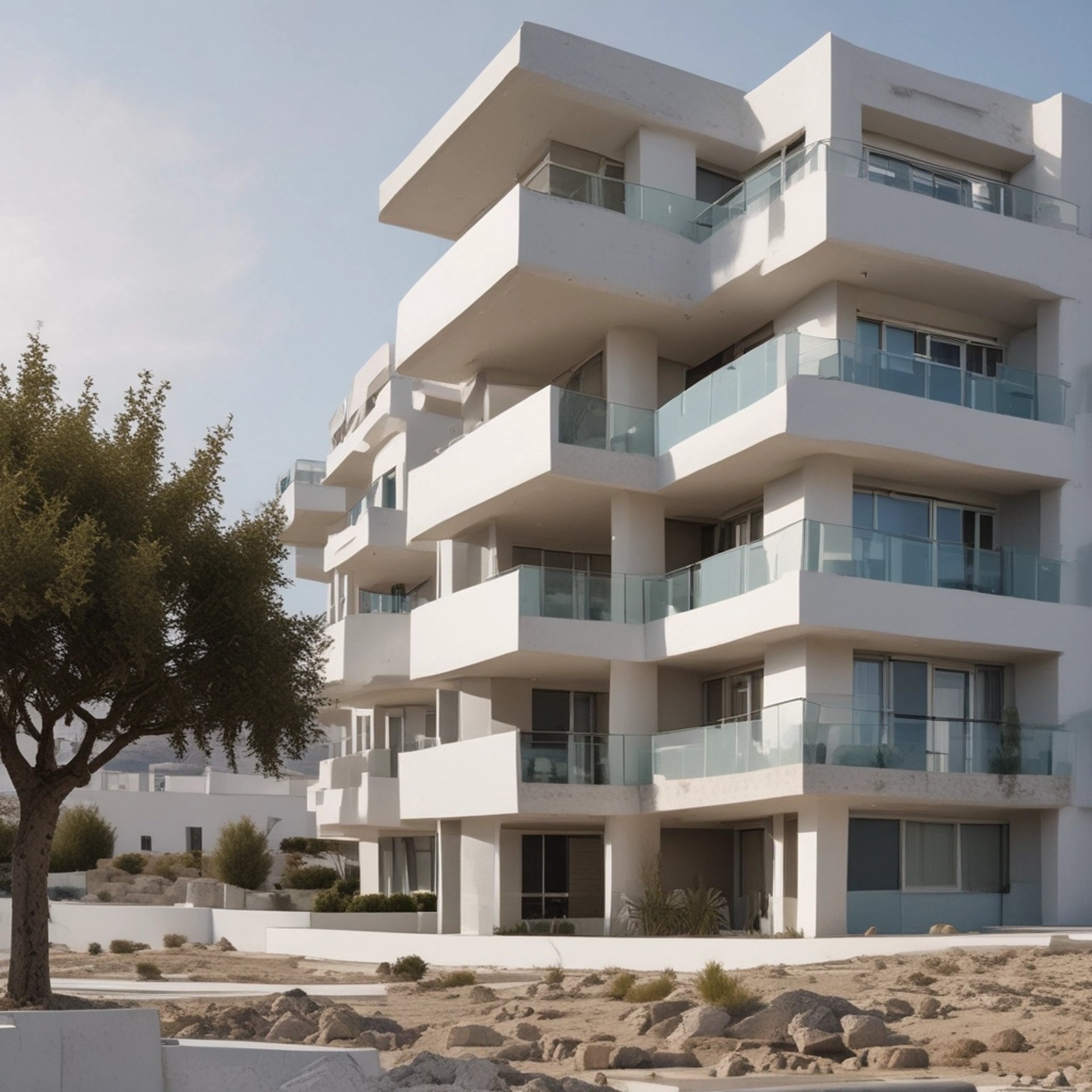
1. Entry pricing: Greece is no longer “cheap” — but still competitive
Spain and Portugal have largely entered a mature market phase.
In cities like Lisbon and Barcelona, prime and semi-prime areas are already priced close to saturation levels.
Greece remains more competitively priced relative to quality and future potential, especially outside ultra-prime zones.
Investors increasingly view Greece as:
a market with rational entry points — not a bargain, but not exhausted either.
2. Liquidity: Spain leads, Greece is improving, Portugal is stable
From a liquidity perspective:
Spain offers deep markets, fast resales, and high transaction volumes.
Portugal provides stable but narrower liquidity.
Greece has improved significantly, but liquidity remains highly location-dependent.
Investors understand that:
liquidity in Greece is uneven,
but well-located assets now offer credible and predictable exits.
3. Yields: the gap is smaller than most expect
In practice, net yields across the three countries:
have largely converged,
depend more on asset quality and location than on geography.
Greece:
no longer offers “outsized yields,”
but delivers a balanced mix of income and capital appreciation.
Professional investors prioritize sustainable returns, not headline percentages.
4. Regulatory and political risk
This is where perceptions diverge:
Portugal has introduced abrupt changes to Golden Visa and rental regulations.
Spain faces increasing political pressure on rents and property ownership.
Greece has maintained a more gradual and predictable regulatory approach in recent years.
Investors favor jurisdictions where:
rules evolve slowly and with advance notice.
On this front, Greece has gained credibility.
5. Supply of quality residential stock: a shared constraint
All three markets face a common issue:
a shortage of genuinely high-quality residential properties.
In Greece, however:
the transition toward modern, energy-efficient housing is happening now,
creating opportunities for well-designed new-build and off-plan projects.
Investors see this as:
a structural upgrade cycle, not merely a supply gap.
6. Lifestyle versus investment balance
Each country offers a different equation:
Spain: strong lifestyle and infrastructure, but high entry costs.
Portugal: quality of life with limited market scale.
Greece: a compelling blend of lifestyle appeal, geography, and a market still in evolution.
For many investors, Greece offers:
the most balanced lifestyle–investment profile in Southern Europe.
7. How investors reach the final decision
Ultimately, international investors do not choose countries —
they choose specific assets.
Decisions are driven by:
city and micro-location,
asset quality and functionality,
rental and resale logic,
clarity of exit scenarios.
Greece wins when:
the property makes sense independently of incentives,
demand is real and diversified,
pricing aligns with broader European benchmarks.
8. Poli Real Estate’s perspective
At Poli Real Estate, comparisons are made at the asset level, not the flag level.
International clients are guided to:
compare properties, not countries,
prioritize liquidity over theoretical yield,
select locations with depth and long-term relevance.
This is why Greece remains competitive —
not because it is “cheap,” but because it is balanced and improving.
Conclusion
International investors no longer ask:
“Which country is better?”
They ask:
“Where can I find the strongest asset with the lowest structural risk?”
In 2026, Greece:
does not promise miracles,
but delivers logic, stability, and upside.
And that is exactly what serious investors look for.
If you are evaluating Greece against Spain and Portugal and want guidance based on international investment standards, Poli Real Estate can help you compare accurately — and invest strategically.
Each Golden Visa program has important differences. Complete the Golden Visa form below to receive guidance based on the Greek framework.
Brokerage
Contact
info@poli.gr
+30-6972-666688
+30-6972-885885
© 2025 Poli Real Estate. All rights reserved.