The 10 European Housing Trends Now Arriving in Greece
From compact premium apartments to 15-minute neighborhoods, discover the 10 European housing trends that are now shaping the Greek real estate market. European housing markets have already transformed over the past five years — and Greece is now entering the same cycle. From new apartment typologies to lifestyle-driven demand, buyers and renters across Europe are shifting towards more modern, more efficient, and more intelligent living models. Below are the 10 major European trends that are now entering the Greek market with increasing speed.
REAL ESTATE INVESTMENT
Christos Boubalos - poli.gr
11/30/2025
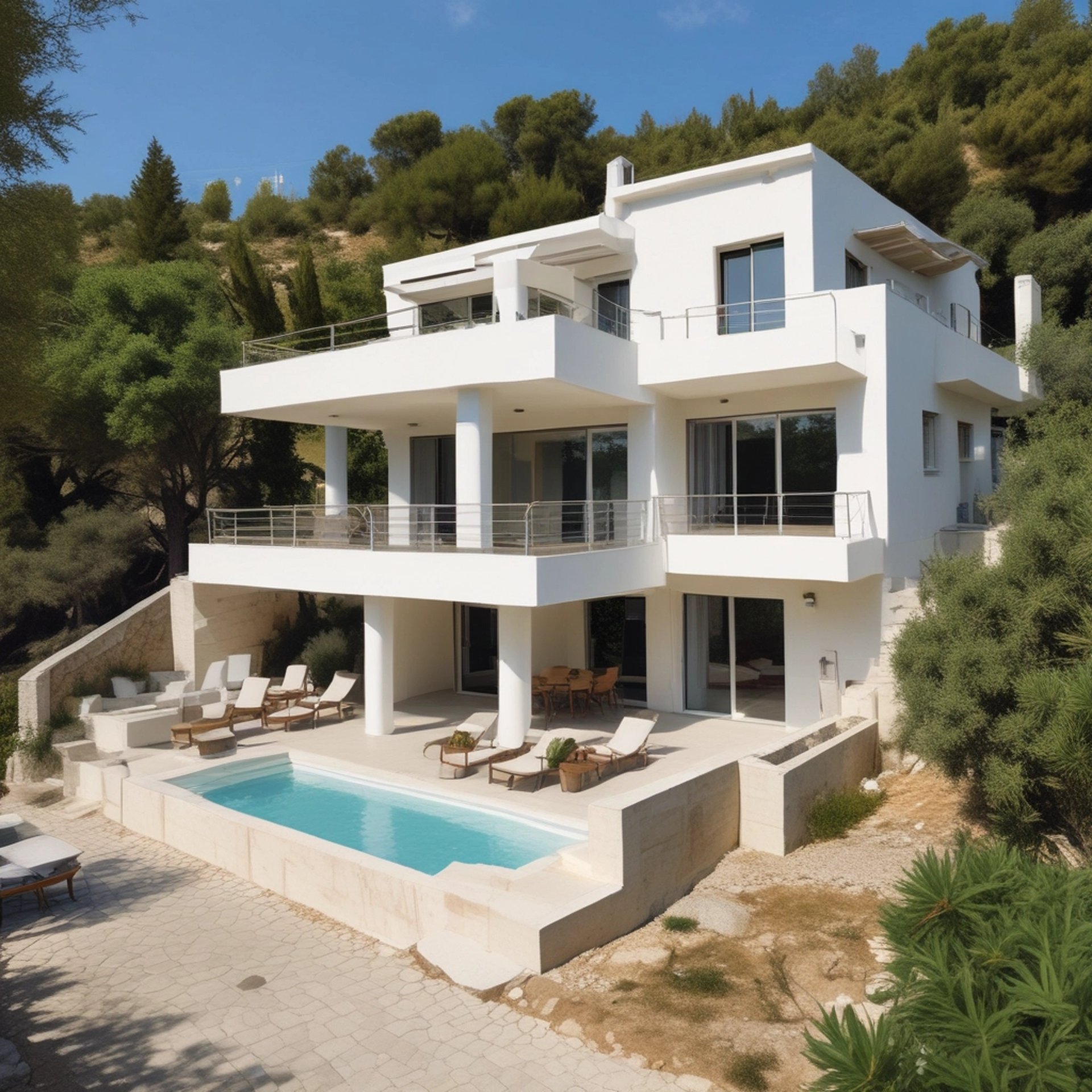
1. Compact Premium Living — Smaller Homes, Higher Quality
Across Europe, new residences tend to be:
10–20% smaller,
with better materials,
smarter layouts,
and significantly higher energy efficiency.
Greece is already following this trend through:
new A+++ apartments of 50–75 m²,
boutique developments of 8–12 units,
high demand for functional spaces over large square meters.
2. The Rise of 15-Minute Neighborhoods
In Copenhagen, Paris, and Amsterdam a dominant planning principle prevails:
➡ Everything within 15 minutes on foot or by bike.
We now see the same pattern emerging in areas such as:
Marousi
Neos Kosmos
Mets
Petralona
Pangrati
Chalandri
Buyers increasingly seek:
supermarkets nearby,
schools and medical facilities,
parks and fitness access,
metro stations within walking distance.
The neighborhood is becoming more important than the interior size.
3. Energy Efficiency as a Core Requirement (Not a Luxury)
In Germany, the Netherlands, and Austria, A+ or A++ energy ratings are standard.
This trend is rapidly reaching Greece.
A++ and A+++ homes:
reduce monthly expenses,
increase resale value,
rent out faster,
and are considered safer long-term investments.
Demand for energy-efficient living is not going away.
4. Home Office: A Permanent Feature of Modern Living
Remote and hybrid work is fully normalized in Europe.
Greece is now catching up:
apartments with an extra room for office use,
integrated workspace in the living room,
demand for quiet buildings,
high sound insulation and abundant natural light.
People no longer buy just “a home”.
They buy a home + workspace.
5. Smart Homes Become the Standard
In London, Berlin, and Paris, smart systems for lighting, cooling, heating, and security are now the norm.
The same trend is emerging in Greece, especially in:
new developments,
premium renovated apartments,
off-plan investment projects.
Buyers want:
smart thermostats,
air-quality sensors,
app-controlled security,
automated lighting and shading.
6. Boutique Green Buildings (Small Modern Developments)
In Northern Europe, the typical modern building has:
6–12 apartments,
low height,
a shared garden or rooftop,
high-end materials.
This model is now gaining ground in Greece.
Boutique developments offer:
better living conditions,
less noise,
higher long-term value,
stronger buyer demand.
7. Car-Free Living: Fewer Cars, More Space
Cities like Zurich, Copenhagen, and Amsterdam promote:
fewer parking spaces,
more bike lanes,
more walkable areas.
In Greece, buyers increasingly prefer:
one parking spot instead of two,
proximity to metro stations,
walkable urban environments,
less traffic and noise.
8. High-Level Sound Insulation as a Must
Europe has very strict soundproofing regulations.
Greece is now entering the same phase.
Buyers are asking for:
double/triple glazing,
noise insulation between apartments,
quieter common areas,
improved floor and wall systems.
This trend is accelerating fast — especially in new premium developments.
9. Community Spaces: Shared Amenities That Increase Value
Across Europe, developers invest in:
shared lounges,
roof gardens,
small fitness rooms,
co-working areas.
In Greece, we now see:
shared desks,
rooftop seating zones,
small gyms in boutique projects.
Buyers recognize the added value of well-designed shared spaces.
10. Demand Shifts to High-Quality Suburbs
Throughout Europe, demand is moving away from congested city centers toward livable suburbs.
The same shift is happening in Greece, especially in:
Marousi
Chalandri
Melissia
Agia Paraskevi
Glyfada
Voula
Paleo Faliro
Buyers want greener streets, better schools, safer environments, and reliable transportation.
Conclusion: Greece Is Entering the New Era of European Living
The Greek real estate market is transitioning into a new phase:
higher quality, better design, more technology, more functionality — and less waste of space.
Developers who adopt these trends early…
win.
Buyers who understand them…
choose more wisely.
And agencies that embrace the new reality…
deliver real value.
Brokerage
Contact
info@poli.gr
+30-6972-666688
+30-6972-885885
© 2025 Poli Real Estate. All rights reserved.