
The 30-Year Building Test
When most people evaluate a property, they focus on what they see today. The finishes. The kitchen. The flooring. The decoration. But serious real estate investors think differently. They ask a much more important question: How will this building feel in 30 years? Because finishes change. Appliances are replaced. Interiors are renovated. But the structure of a building remains. This is what the 30-Year Building Test evaluates.
REAL ESTATE INVESTMENT
Christos Boubalos - poli.gr
3/12/2026
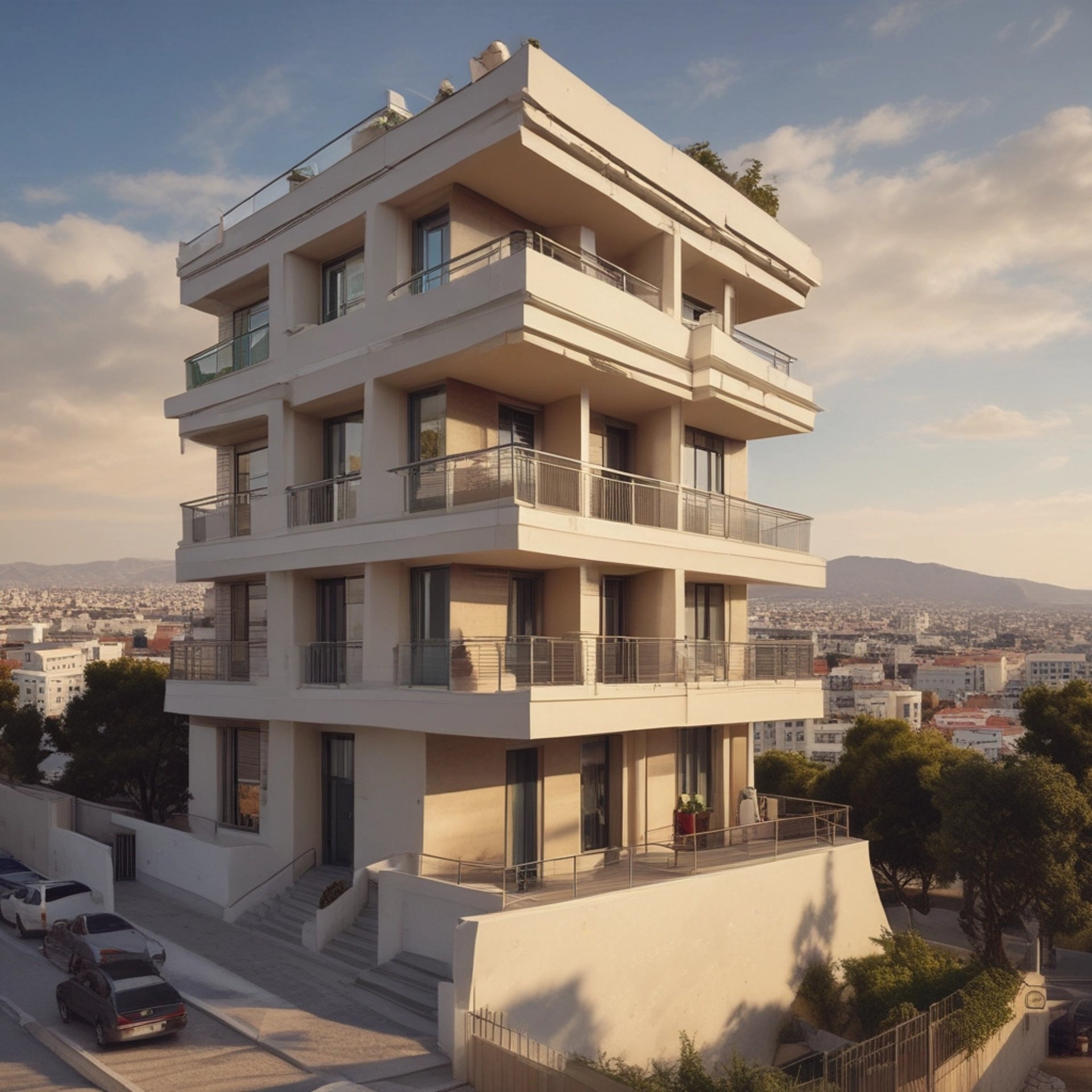
Why Buildings Age Differently
If you walk through any city, the pattern becomes obvious.
Some buildings built 30 or even 50 years ago still feel pleasant and valuable.
Others, built only 15–20 years ago, already feel outdated.
The difference is rarely decoration.
It is design and structural decisions made at the beginning.
Real estate value over decades is determined far more by architecture than by interior finishes.
The 7 Elements of the 30-Year Building Test
Before buying or investing in a property, experienced investors examine seven structural factors that determine how well a building will age.
1. Structural Proportions
The first indicator is the overall proportions of the building.
Buildings with balanced proportions — good façade rhythm, appropriate floor height, and coherent structure — tend to age gracefully.
Buildings designed purely for maximum density often age poorly.
When the geometry is wrong, time only makes it more visible.
2. Ceiling Height
Ceiling height is one of the most underestimated value drivers in residential real estate.
Apartments with generous ceiling heights feel comfortable even decades later.
Lower ceilings often make spaces feel outdated much faster.
As we discussed in “Why Floor-to-Ceiling Height Dramatically Increases a Home’s Value”, vertical space affects both comfort and long-term desirability.
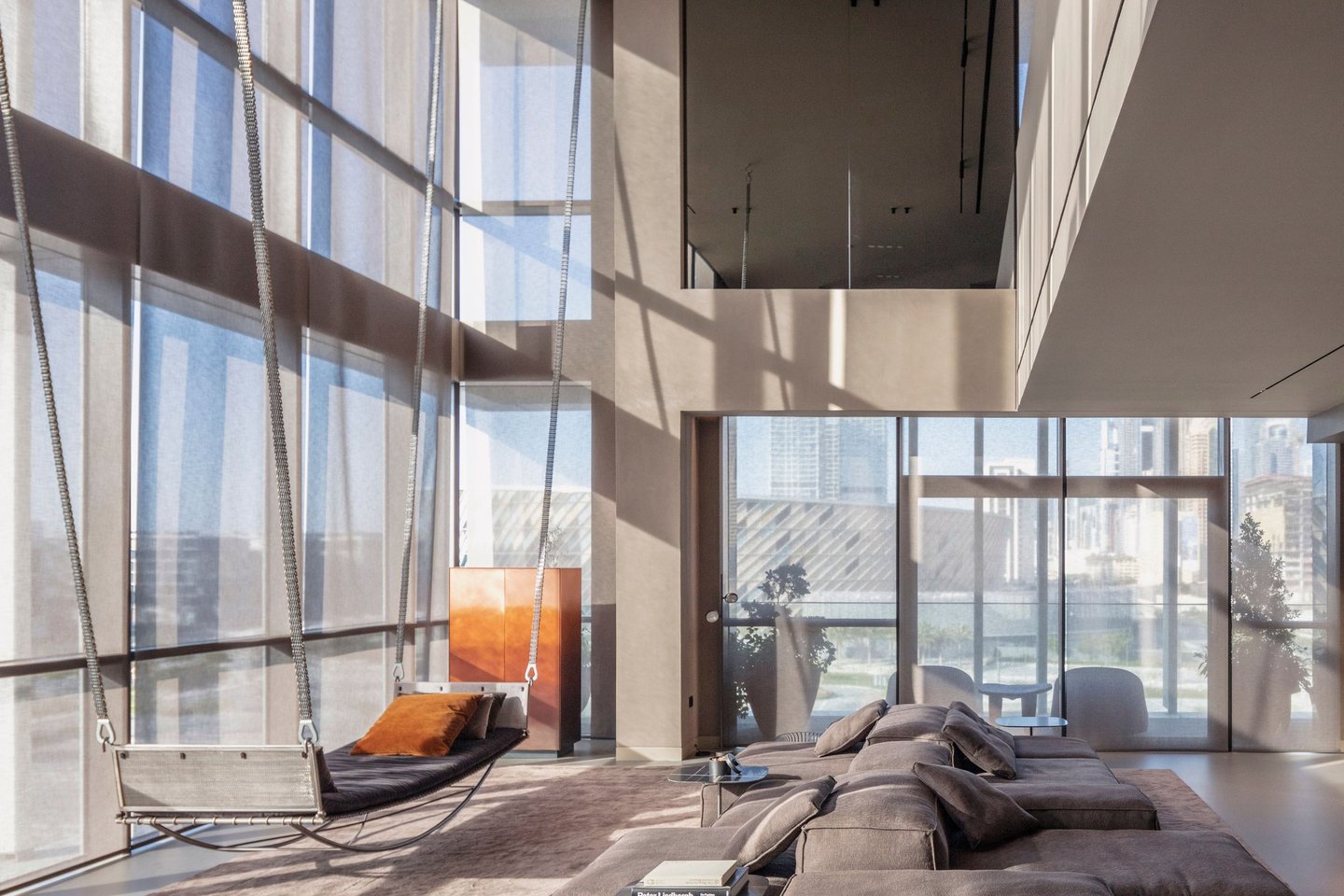
3. Natural Light Geometry
Natural light never goes out of fashion.
Apartments with:
large openings
proper orientation
cross-ventilation
remain attractive across generations.
In contrast, units with poor natural light become increasingly difficult to sell over time.
This is one of the reasons why light remains one of the strongest drivers of long-term value.

4. Floor Plan Flexibility
Buildings designed with flexible layouts adapt better to changing lifestyles.
Over decades, families change how they use space:
home offices
open kitchens
multifunctional rooms
Rigid floor plans limit future adaptation.
Flexible structures allow apartments to evolve without expensive structural interventions.
5. Circulation and Common Areas
The entrance, staircase, and common areas define the daily experience of the building.
Good circulation design includes:
spacious staircases
natural light in common areas
clear and elegant entrances
These elements influence how the building feels long after the interiors have been renovated multiple times.
6. Balcony Depth and Outdoor Space
In Mediterranean cities like Athens, balconies are not decorative elements.
They are part of daily life.
Buildings with usable outdoor space — balconies deep enough for seating or dining — retain value much better than buildings where balconies are symbolic.
Outdoor living remains one of the most enduring lifestyle factors in residential real estate.
7. Acoustic and Structural Quality
Noise is one of the most common complaints in residential buildings.
Good buildings incorporate:
adequate slab thickness
proper sound insulation
solid construction materials
Poor acoustic performance cannot easily be corrected later.
And once residents experience it, it permanently affects the reputation of the building.
Why This Test Matters for Investors
Many buyers focus on short-term impressions.
Fresh paint and modern finishes can make almost any apartment look attractive for a viewing.
But these elements do not determine long-term value.
As discussed in “How to Recognize a Property That Will Age Well”, properties that pass structural tests tend to maintain demand for decades.
Buildings that fail them often require heavy renovation or suffer declining desirability.
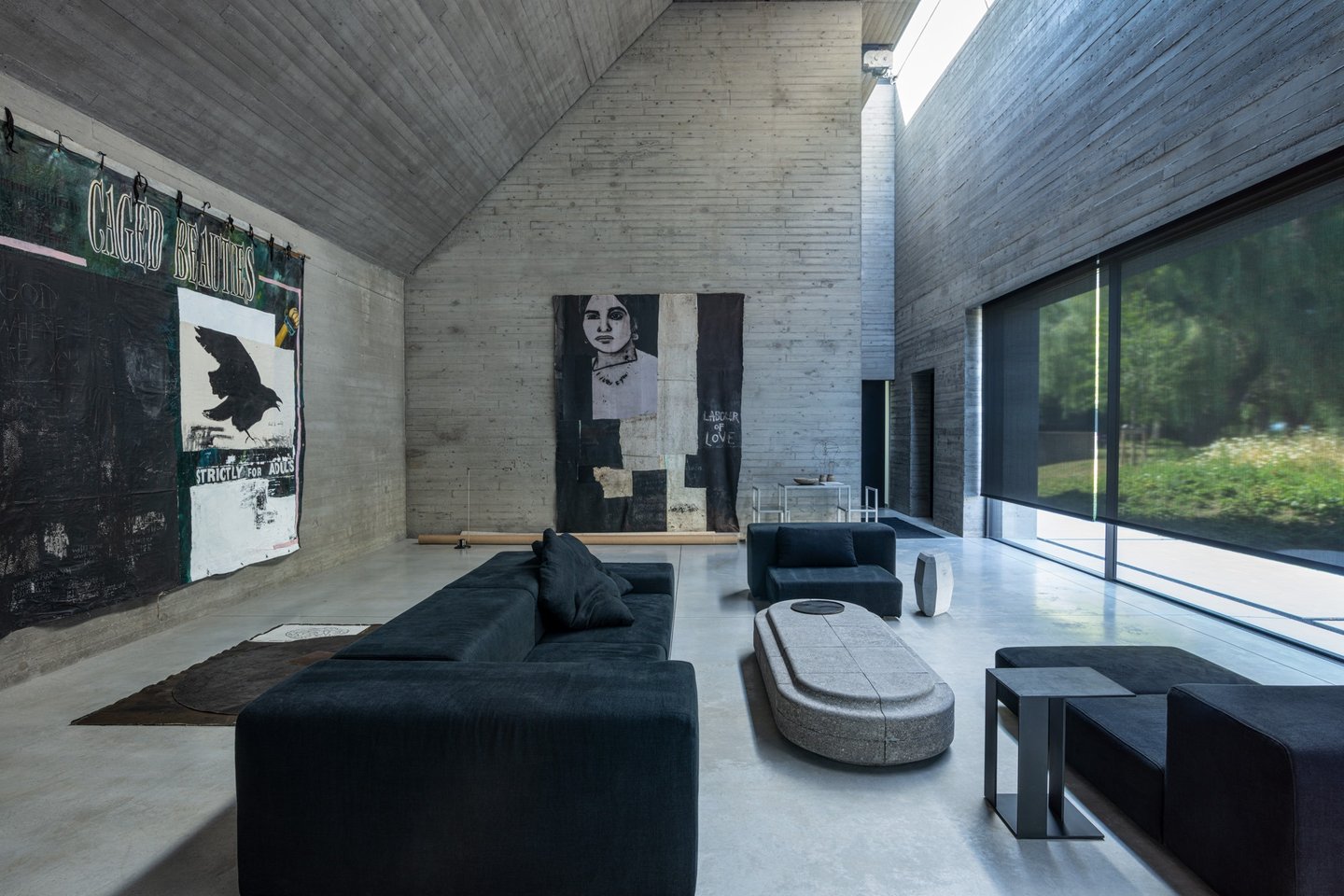
The Strategic Perspective
Real estate investing is not only about price and yield.
It is about durability of demand.
Buildings that pass the 30-Year Building Test continue to attract buyers long after the original construction.
Buildings that fail it may appear attractive initially but struggle to maintain value over time.
The difference is rarely visible in a quick viewing.
But over decades, it becomes decisive.
The Bottom Line
The best buildings are not simply the newest.
They are the ones designed with proportions, light, and structure that remain desirable for generations.
Before focusing on finishes, investors should always examine the underlying architecture.
Because while interiors change every 10–15 years, the building itself will shape the property’s value for the next 30.
If you are evaluating a property and want to understand whether the building itself will remain attractive and liquid over the long term, our team at Poli can help you assess its structural strengths before you commit to the investment.
Brokerage
Contact
info@poli.gr
+30-6972-666688
+30-6972-885885
© 2025 Poli Real Estate. All rights reserved.