
Tomorrow's Replacement Cost Determines Today's Value
Why sophisticated investors evaluate tomorrow's scarcity before today's price. Every real estate transaction begins with a price. But the world's best investors know that price is only the starting point. The real question is far more strategic. If this property disappeared tomorrow, could it realistically be recreated? Because the answer to that question often determines whether an investment is ordinary... or exceptional.
Christos Boubalos - poli.gr
7/12/2026
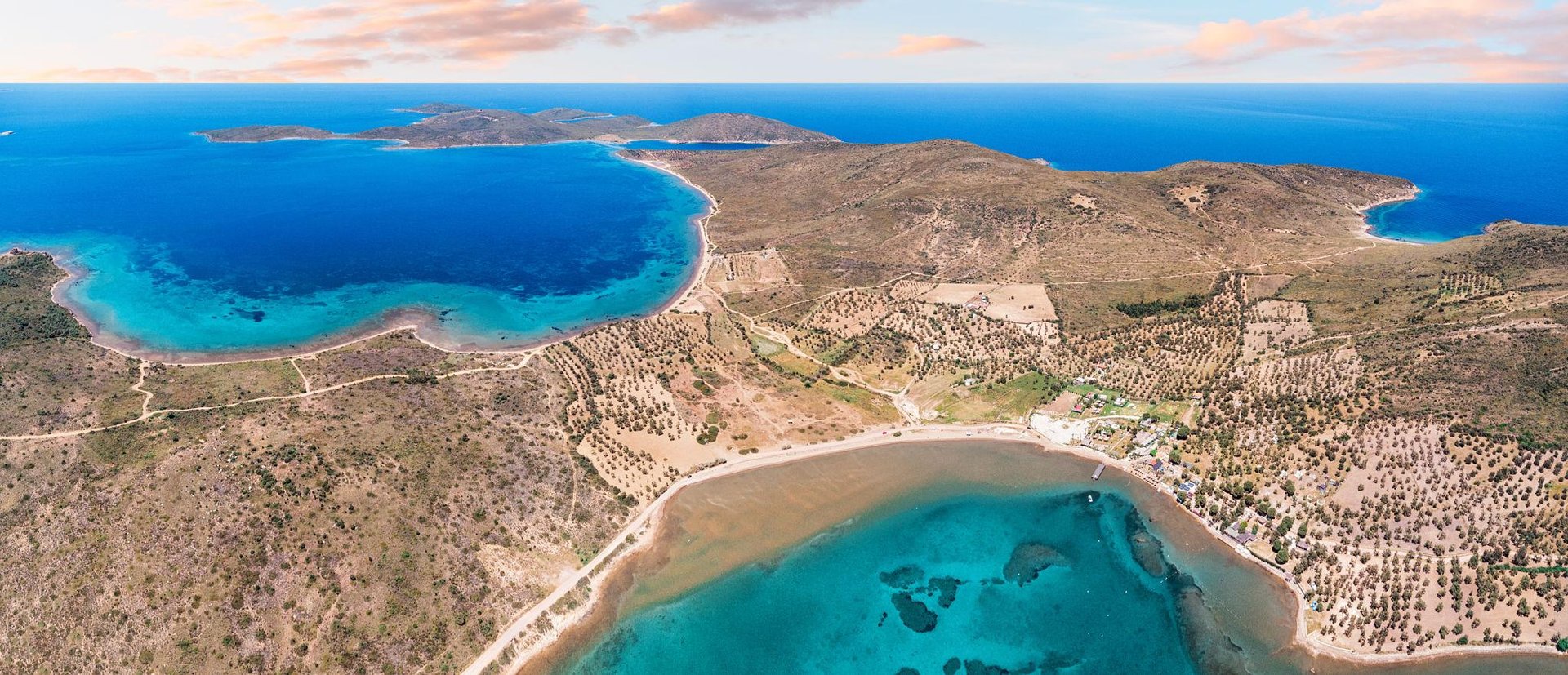
The Investment That No Longer Exists
Thirty years ago, developing a beachfront hotel on many parts of the Greek coastline was relatively straightforward.
Suitable land was available.
Planning regulations were less restrictive.
Environmental protection was less extensive.
Construction costs were significantly lower.
Today, in many of those same locations, recreating the identical investment would be dramatically more difficult—or impossible.
Not because construction has become impossible.
But because the opportunity itself has disappeared.
That single idea changes how sophisticated investors evaluate real estate.
Price Changes Every Day. Scarcity Doesn't.
Most investors ask:
Is the asking price reasonable?
Is the yield attractive?
Could prices increase?
Professional investors often ask something entirely different.
What would it cost—or would it even be possible—to recreate this asset today?
This is the essence of the Replacement Cost Principle.
Tomorrow's replacement cost often matters far more than today's purchase price.
Replacement Cost Is Not Construction Cost
Many investors confuse replacement cost with construction cost.
They are very different.
Construction cost measures the cost of rebuilding a structure.
Replacement cost measures something much broader.
It includes:
land availability
planning regulations
environmental restrictions
permits
infrastructure
scarcity
location
and, perhaps most importantly, whether the opportunity still exists.
Sometimes replacing an asset is expensive.
Sometimes it simply cannot be done.
Two Hotels. Same Value. Different Future.
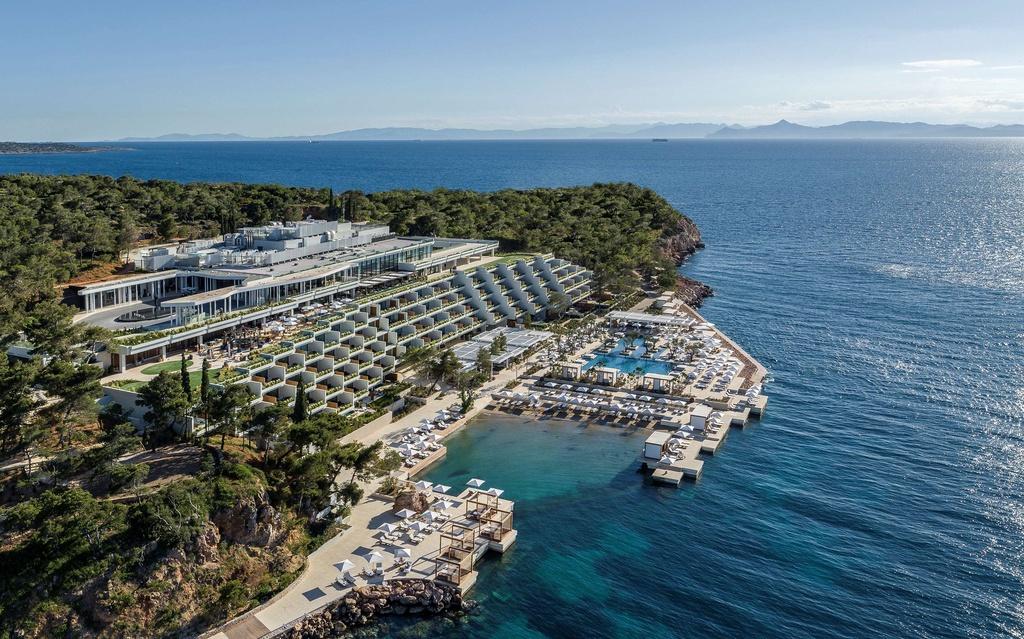
A Simple Investment Example
Imagine two beachfront hotels.
Hotel A
Construction Cost: €8 million
Current Market Value: €15 million
Location: Standard coastal location
Hotel B
Construction Cost: €8 million
Current Market Value: €15 million
Location: Exceptional waterfront location with irreplaceable sea views
Today, both hotels appear equally valuable.
Now imagine both hotels disappear tomorrow.
Hotel A could probably be rebuilt.
Hotel B could not.
Not because construction became more expensive.
But because:
environmental protection has expanded,
planning regulations have become stricter,
coastal development is more restricted,
and equivalent waterfront land is no longer available.
Both buildings disappeared.
Only one investment opportunity disappeared forever.
That difference may never appear in a traditional valuation model.
Yet it may determine which investment dramatically outperforms over the next twenty years.
Hotel A could probably be rebuilt.
Hotel B could not.
Over the years:
planning regulations became stricter,
environmental protection expanded,
coastal development became more restricted,
and equivalent waterfront land disappeared.
Both buildings were lost.
Only one opportunity disappeared forever.
That difference rarely appears in a financial model.
Yet it may determine which investment dramatically outperforms over the next twenty years.
When Regulation Creates Scarcity
Across Greece—and much of Europe—planning regulations, environmental protection, and coastal development standards have generally become more restrictive over time.
Every reduction in buildable land.
Every protected coastline.
Every environmental restriction.
Every planning limitation.
Reduces future supply.
For owners of exceptional assets, regulation often creates something extremely valuable.
Scarcity.
And scarcity has always been one of the most powerful drivers of long-term appreciation.
The Principle Applies Everywhere
The Replacement Cost Principle extends far beyond luxury homes.
Waterfront Hotels
A hotel may require renovation.
Its location may never be recreated.
Historic Buildings
Many historic buildings could not legally be built under today's regulations.
Time has made them increasingly unique.
Prime Coastal Land
No developer can manufacture new coastline.
Every acquisition permanently reduces future supply.
As explored in "Why Some Investors Are Buying Coastlines, Not Buildings," sophisticated investors are often acquiring geography rather than buildings.
Commercial Buildings with Redevelopment Potential
Some commercial buildings possess value that extends beyond their current use.
As discussed in "Converting Commercial to Residential for Golden Visa: The Only Model That Still Creates Real Margin," redevelopment potential may itself become an increasingly scarce asset.
The Hidden Cost of Waiting
Replacement cost never remains static.
Construction costs rise.
Land becomes scarcer.
Planning regulations evolve.
Development opportunities disappear.
A property that appears expensive today may become impossible to recreate tomorrow.
That is why sophisticated investors spend less time negotiating today's price...
and more time evaluating tomorrow's scarcity.
The Replacement Cost Test
Before acquiring any property, ask one simple question.
If this asset disappeared tomorrow, could someone recreate it under today's regulations, costs and market conditions?
If the answer is yes, competition will eventually emerge.
If the answer is no, you may be looking at an asset whose true value extends far beyond today's market price.
The Bottom Line
Markets move in cycles.
Interest rates rise and fall.
Construction costs change.
Governments change.
Planning regulations evolve.
But one principle remains remarkably consistent.
The most valuable real estate is rarely defined by today's price.
It is defined by tomorrow's replacement cost.
Price tells you what you pay.
Replacement cost tells you whether future investors will ever have the opportunity to own something similar.
The world's best investors understand a simple truth.
Tomorrow's replacement cost determines today's value.
At Poli, we believe exceptional real estate is not defined solely by today's valuation, but by tomorrow's scarcity. We help investors identify assets whose long-term strategic value extends far beyond conventional market metrics.
Brokerage
Contact
info@poli.gr
+30-6972-666688
+30-6972-885885
© 2025 Poli Real Estate. All rights reserved.