
When Renovation Is an Investment — and When It’s a Trap
Renovation is often presented as a universal solution: “Buy old, renovate, add value.” Sometimes that is true. Very often, it is not. The difference between a profitable renovation and a capital trap has little to do with taste, finishes, or Instagram photos. It has everything to do with structure, timing, and exit reality. Let’s break it down clearly.
Christos Boubalos - poli.gr
1/30/2026
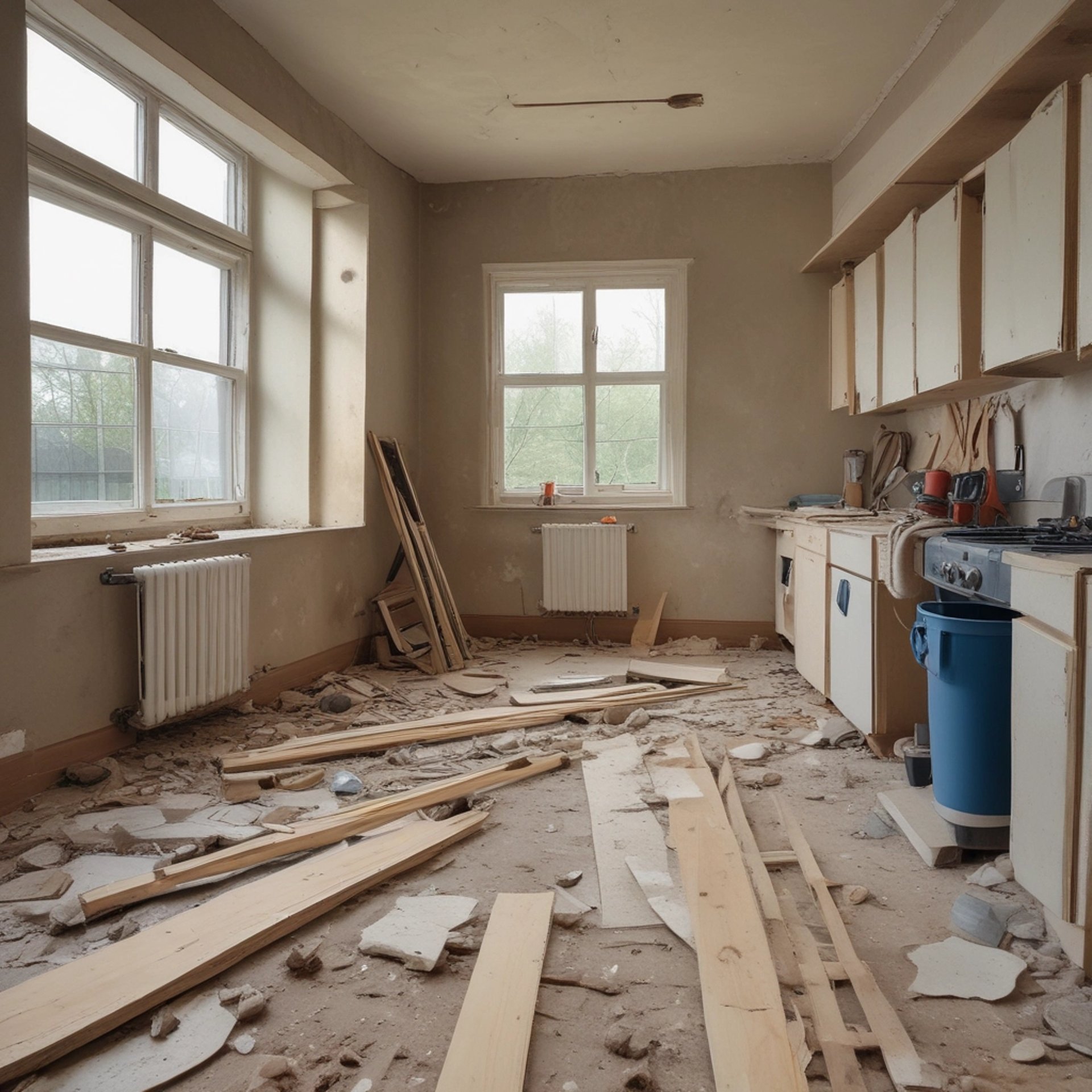
The Core Question Renovation Must Answer
Before looking at tiles, kitchens, or budgets, renovation must answer one question:
Does the renovation permanently improve the asset — or merely hide its weaknesses?
If the answer is the latter, you are not investing.
You are postponing depreciation.
When Renovation Is an Investment
Renovation works when it unlocks value that already exists but is trapped.
1. The Building Has Good Fundamentals
Renovation makes sense when:
the building structure is sound
floor heights are acceptable
natural light is good
the layout can be meaningfully improved
As explained in “Why the Right Floor Plan Is Worth More Than 20 Extra Square Meters”, functional layouts compound value over time — cosmetic upgrades do not.
If the base is right, renovation amplifies it.
2. The Price Gap Justifies the Risk
Renovation becomes an investment when:
the purchase price reflects the building’s age and limitations
renovation cost stays well below the resale or rental ceiling
Example (simplified):
Buy at €2,300 / sqm
Renovate at €700 / sqm
Market value after renovation: €3,300–3,500 / sqm
Here, renovation captures a pricing inefficiency.
3. The Time Horizon Is Long Enough
Renovation works best when:
the owner plans to hold the asset
cash flow matters more than fast resale
improvements can amortize over time
As discussed in “How to Recognize a Property That Will Age Well”, time rewards assets with strong fundamentals — not surface upgrades.
4. The Renovation Solves Structural Problems
True value-adding renovations:
improve circulation and layout
upgrade energy efficiency meaningfully
reduce future maintenance risk
This aligns with what we outlined in “The Rise of Energy-Efficient Homes: From Luxury to Necessity”: operating costs matter more every year.
When Renovation Becomes a Trap
Renovation turns into a trap when it fights the building instead of working with it.
1. When You Are Fixing What Cannot Be Fixed
Many older properties suffer from:
low ceilings
poor orientation
structural limitations
outdated building logic
As detailed in “The 7 Construction Mistakes That Cannot Be Fixed After Delivery”, some problems simply cannot be renovated away — no matter the budget.
Money spent here does not create value.
It masks reality.
2. When Renovation Chases a Price Ceiling
A common mistake:
“If I renovate enough, I’ll sell at new-build prices.”
Markets do not reward effort — they reward category.
An old building with premium finishes is still an old building.
Buyers discount it accordingly.
When renovation pushes total cost close to new-build pricing, upside disappears.
3. When Capital Timing Is Ignored
Renovation traps capital:
purchase price paid upfront
renovation costs paid immediately
delays and overruns are common
Compare this with off-plan new-builds, where capital is deployed gradually — as analyzed in “New-Build vs Older Property: What You Really Pay Over Time”.
The opportunity cost difference is real.
4. When the Building Community Works Against You
Renovation inside a problematic building means:
unpaid common expenses
resistance to maintenance
degraded shared spaces
No renovation inside your unit can fix:
a neglected staircase
a dysfunctional owners’ association
long-term building decay
This cost is invisible — but permanent.
A Simple Renovation Decision Framework
Before renovating, answer all of the following:
Does the building have strong fundamentals?
Is the purchase price clearly discounted?
Does renovation improve structure, not just appearance?
Is total cost safely below new-build alternatives?
Does the building community support long-term value?
If any of these fail, renovation is no longer an investment.
It becomes risk management at best — a trap at worst.
The Role of Poli Real Estate
At Poli Real Estate, renovation is never treated as a default strategy.
Each case is evaluated based on:
structural quality
cost ceilings
energy performance
capital deployment timing
long-term liquidity
Because renovation is not about making a property prettier.
It is about making it work financially and structurally over time.
Final Thought
Renovation is powerful — but only when it:
reveals hidden value
aligns with the building’s nature
respects market limits
Otherwise, it becomes a sophisticated way of spending money
to end up with an asset that still underperforms.
The smartest investors do not renovate often.
They renovate selectively.
If you are considering renovation-led investments and want to evaluate opportunities realistically, share your investment brief at the contact button that follows.
Brokerage
Contact
info@poli.gr
+30-6972-666688
+30-6972-885885
© 2025 Poli Real Estate. All rights reserved.