Why Green Neighborhoods Outperform Over Time
Green neighborhoods consistently outperform traditional urban areas in value, liquidity, and resilience. Here’s why access to nature, low density, and livability drive long-term real estate performance. In real estate, trends come and go. But green neighborhoods outperform for structural reasons. Their advantage is not aesthetic. It is economic, behavioral, and long-term.
NEIGHBORHOOD GUIDES
Christos Boubalos - poli.gr
12/28/2025
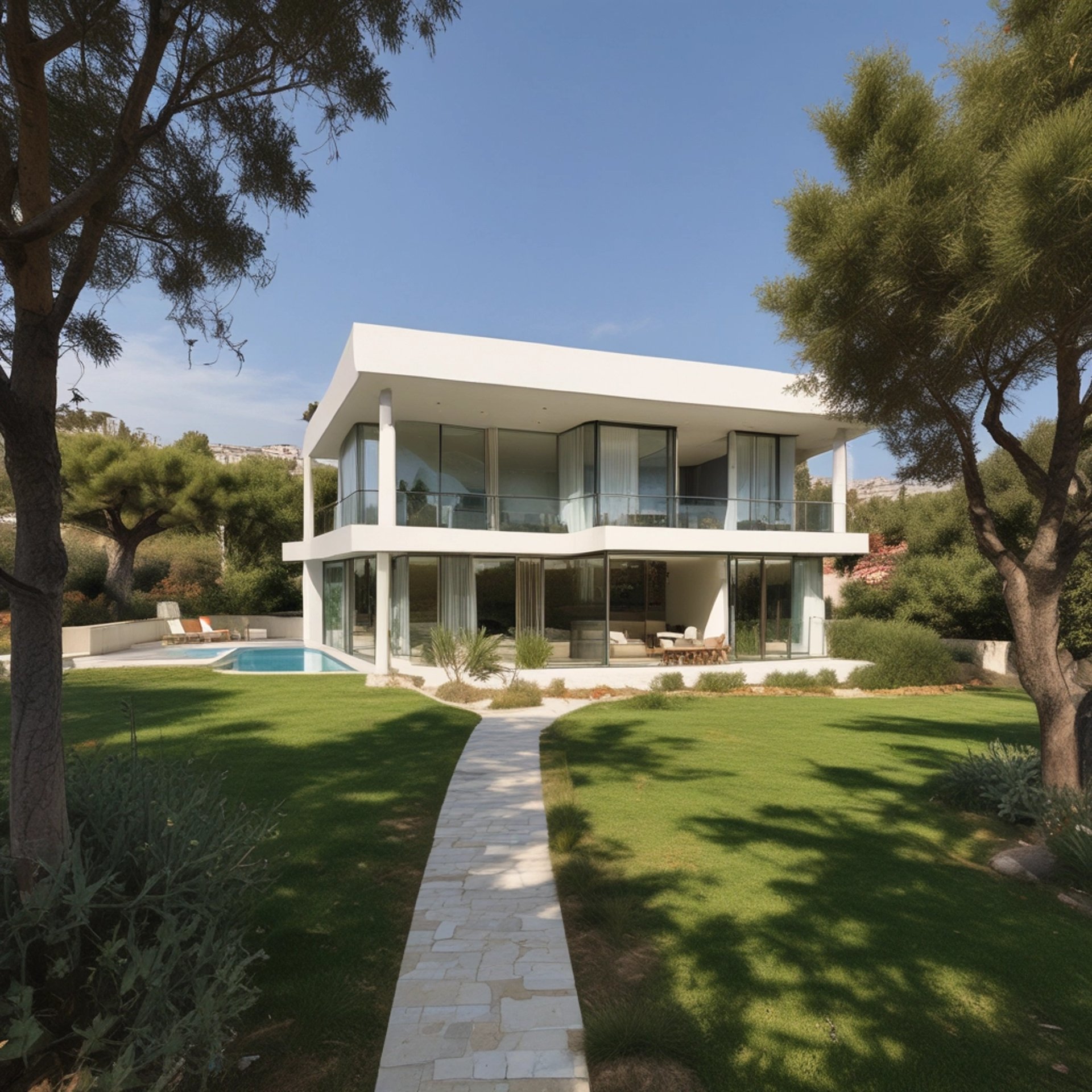
1. Green space is no longer a luxury — it is a baseline demand
What was once considered a “nice extra” is now a core requirement.
Modern buyers prioritize:
access to parks and trees,
walkable streets,
lower noise and pollution,
visual openness and daylight.
These preferences are not cyclical.
They reflect how people want to live, not how markets are priced.
2. Green neighborhoods attract stronger, more stable demand
Areas with greenery tend to attract:
long-term residents,
owner-occupiers rather than transient tenants,
families and professionals with higher retention.
This creates:
lower turnover,
stronger community identity,
more stable pricing.
Demand driven by lifestyle is stickier than demand driven by price.
3. Supply of green neighborhoods is structurally limited
You can build apartments.
You cannot easily create mature trees, open land, or park-adjacent streets.
Green neighborhoods are constrained by:
zoning limits,
land scarcity,
environmental protections.
Limited supply combined with rising demand creates durable upward pressure on values.
4. Green environments improve liquidity
In difficult markets, buyers become selective.
They prioritize:
quality of life,
long-term livability,
resilience over speculation.
Green neighborhoods:
sell faster,
require fewer price concessions,
maintain buyer interest even during slowdowns.
Liquidity is not about speed in good times.
It is about optional exit in bad times.
5. Green areas age better than dense urban zones
Dense, traffic-heavy neighborhoods often:
deteriorate faster,
suffer infrastructure fatigue,
lose residential appeal over time.
Green neighborhoods:
absorb growth more gracefully,
maintain visual quality,
adapt better to demographic shifts.
They do not peak quickly.
They compound value slowly and steadily.
6. Sustainability reinforces long-term value
Green neighborhoods often align with:
energy-efficient buildings,
lower heat exposure,
better microclimates.
As regulations tighten and energy costs rise, these areas:
face lower adaptation costs,
retain relevance,
attract future-conscious buyers.
Sustainability is no longer ideological.
It is financially defensive.
7. Buyers pay premiums for daily quality of life
What buyers truly pay for is not square meters.
It is how life feels every day.
Green neighborhoods offer:
calmer routines,
healthier environments,
psychological comfort.
These benefits translate directly into:
pricing power,
resilience,
long-term appreciation.
8. Why professionals favor green neighborhoods
Professional investors understand that:
short-term volatility is noise,
livability is signal.
They allocate capital to:
areas with environmental buffers,
neighborhoods with human-scale design,
locations that people choose, not tolerate.
9. The long-term performance pattern
Across cycles, green neighborhoods tend to:
fall less in downturns,
recover faster,
outperform averages over time.
This is not coincidence.
It is the result of structural desirability.
The professional perspective
At Poli Real Estate, green neighborhoods are evaluated as long-term value anchors.
Not because they are fashionable —
but because they combine:
demand durability,
supply constraints,
and liquidity protection.
Conclusion
Green neighborhoods outperform because they align with:
human behavior,
environmental reality,
and long-term market dynamics.
They do not rely on hype.
They rely on how people want to live.
In real estate, the strongest assets are not those that promise the highest return — but those that remain desirable regardless of the cycle. Green neighborhoods do exactly that.
Brokerage
Contact
info@poli.gr
+30-6972-666688
+30-6972-885885
© 2025 Poli Real Estate. All rights reserved.