Land-for-Apartments in Greece (2026): Why Profit Margins Push Most Deals Toward 27%–30%
For years, many landowners in Greece believed that a “fair” land-for-apartments deal meant receiving 35%, 40%, or even more of the final building. Today, the economics are very different. Construction costs have risen sharply. Financing is more expensive. Taxes and compliance costs have increased. And buyers are far more demanding regarding quality and energy efficiency. As a result, in many realistic development scenarios, viable land-for-apartments deals are increasingly converging toward the 27%–30% range. Not because developers suddenly became more aggressive. But because the numbers changed.
Christos Boubalos - poli.gr
5/10/2026
What a Land-for-Apartments Deal Actually Means
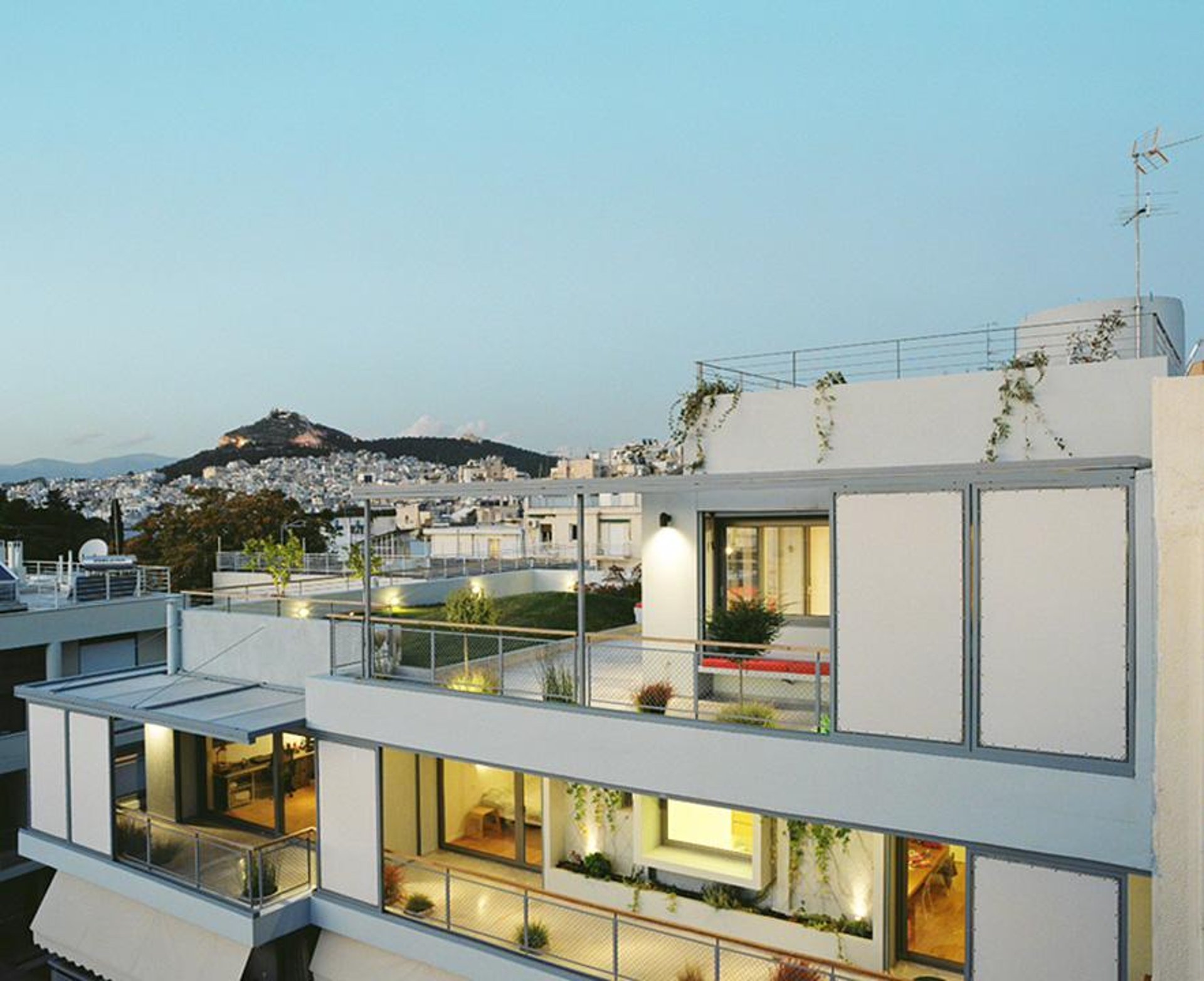
In a typical Greek land-for-apartments agreement (“antiparochi”):
the landowner contributes the plot
the developer finances and constructs the building
the completed apartments are divided between the two parties based on an agreed percentage
The key question is simple:
Can the developer still achieve a realistic return after all costs, taxes, and risks are included?
If the answer is no, the project simply does not move forward.
The Biggest Change: Construction Costs
A few years ago, many projects were calculated using construction costs that no longer reflect today’s market reality.
In 2026, a serious residential development in Athens often requires:
high energy efficiency standards
upgraded insulation systems
modern mechanical infrastructure
higher-quality façade materials
significantly increased labor costs
For a properly executed residential project, realistic total development costs can now approach:
€2,500/m² or more
And this is before financing costs, taxation, legal expenses, delays, and market risk are fully considered.
A Simplified Example
Example Development
Total buildable area: 300 m²
Construction & development cost: €2,500/m²
Final selling price: €5,000/m²
Landowner share: 30%
Step 1 — Total Revenue
300 m² × €5,000/m²
= €1,500,000 total projected sales value
Step 2 — Landowner Share
30% of the building:
300 m² × 30%
= 90 m² allocated to the landowner
Estimated market value:
90 m² × €5,000
= €450,000 value transferred to the landowner
Step 3 — Developer Revenue
Remaining 210 m²:
210 m² × €5,000
= €1,050,000 gross developer revenue
Step 4 — Realistic Project Economics
Base construction cost:
300 m² × €2,500
= €750,000
However, a real development project also includes:
engineering and permit costs
financing costs
taxation
insurance
legal expenses
sales and marketing costs
delays and contingency exposure
As a result, total effective project cost may realistically approach:
~€900,000
This leaves an estimated developer profit near:
~€150,000 pre-tax
Which corresponds to approximately:
~16%–17% projected pre-tax ROI over an estimated 2-year project cycle.
This is one of the primary reasons why, especially in smaller developments, land-for-apartments percentages increasingly move toward the 27%–30% range under current market conditions.
The Difference Between Theory and Reality
Many people incorrectly calculate developer profitability by simply subtracting:
sale price
minus
construction cost
and assuming the remaining amount is pure profit.
It is not.
Development is not construction alone.
It involves:
capital exposure
execution risk
financing risk
taxation
delays
market liquidity risk
and multi-year operational exposure
This is why apparently “high” developer percentages are often far less profitable than they initially appear.
Why Smaller Plots Are Especially Difficult
In smaller projects, fixed costs become proportionally heavier.
A small apartment building still requires:
elevator systems
common areas
façade systems
studies and permits
infrastructure
project financing
These costs reduce efficiency significantly.
As a result, once landowner percentages move too high, the developer’s risk-adjusted return often becomes economically unsustainable.
At that point, the project may simply stop making financial sense.
What Sophisticated Landowners Understand
Experienced landowners no longer focus only on the percentage itself.
They also evaluate:
the credibility of the developer
construction quality
delivery reliability
legal structure
and the future resale liquidity of the apartments they will receive
Because receiving a slightly higher percentage in a weak or illiquid building can ultimately create less value than receiving a slightly lower percentage in a stronger project.
As discussed in “What Percentage Makes a Greek Land-for-Development Deal Truly Viable?”, sustainability matters more than headline numbers.
The Strategic Perspective
The Greek “antiparochi” model remains one of the most unique real estate development structures in Europe.
But the economics have evolved substantially.
In 2026, realistic land-for-apartments percentages increasingly reflect:
higher construction standards
increased financing costs
heavier taxation
stricter energy requirements
and more demanding buyers
The market is becoming more professional.
And the numbers increasingly reflect economic reality rather than theoretical expectations.
The Bottom Line
The era in which almost every plot could support extremely high landowner percentages is gradually disappearing.
Today, the viability of a land-for-apartments deal depends on balancing:
land value
construction cost
developer return
and future market liquidity
In many realistic scenarios, that balance now naturally converges toward the 27%–30% range.
Not because developers necessarily want more.
But because the project structure must still remain economically viable after all costs, taxes, risks, and execution exposure are properly included.
If you are evaluating a land-for-apartments opportunity in Greece and want to understand whether the proposed percentages truly make economic sense under current market conditions, our team at Poli can help you analyze the numbers before entering negotiations.
Brokerage
Contact
info@poli.gr
+30-6972-666688
+30-6972-885885
© 2025 Poli Real Estate. All rights reserved.