
The Asset That Will Still Matter in 2050
Most investors spend their time asking: "What will perform well over the next few years?" A more important question may be: "What will still matter in 2050?" Because the greatest fortunes in real estate are rarely built by predicting the next market cycle. They are built by owning assets that remain relevant regardless of market cycles.
REAL ESTATE INVESTMENT
Christos Boubalos
6/21/2026
The Problem With Short-Term Thinking
Markets change.
Interest rates change.
Governments change.
Technology changes.
Demographics change.
The challenge for investors is not finding assets that work today.
The challenge is identifying assets that will remain desirable decades from now.
The 2050 Test
Before acquiring any asset, investors should ask a simple question:
Will someone still want to own this in 2050?
If the answer is uncertain, the investment deserves further scrutiny.
Asset Class #1: Generic Apartments
Most apartments will continue to exist.
But not all apartments will remain equally desirable.
Buildings with:
poor layouts
weak construction quality
limited natural light
inefficient energy performance
may face increasing competitive pressure.
As discussed in "The 30-Year Building Test: How to Know If a Building Will Age Well", not all buildings improve with time.
Some simply become obsolete.
Asset Class #2: Office Buildings
The future of office space remains uncertain.
Remote work, hybrid work models, and changing corporate requirements continue reshaping demand.
Some office buildings will thrive.
Others may require conversion or complete repositioning.
The key question is not whether an office exists.
The question is whether it remains relevant.
Asset Class #3: Hotels
Hospitality assets located in strong destinations are likely to remain important.
People will continue to travel.
Experiences will continue to matter.
However, location remains critical.
A mediocre hotel can be replaced.
An exceptional location cannot.
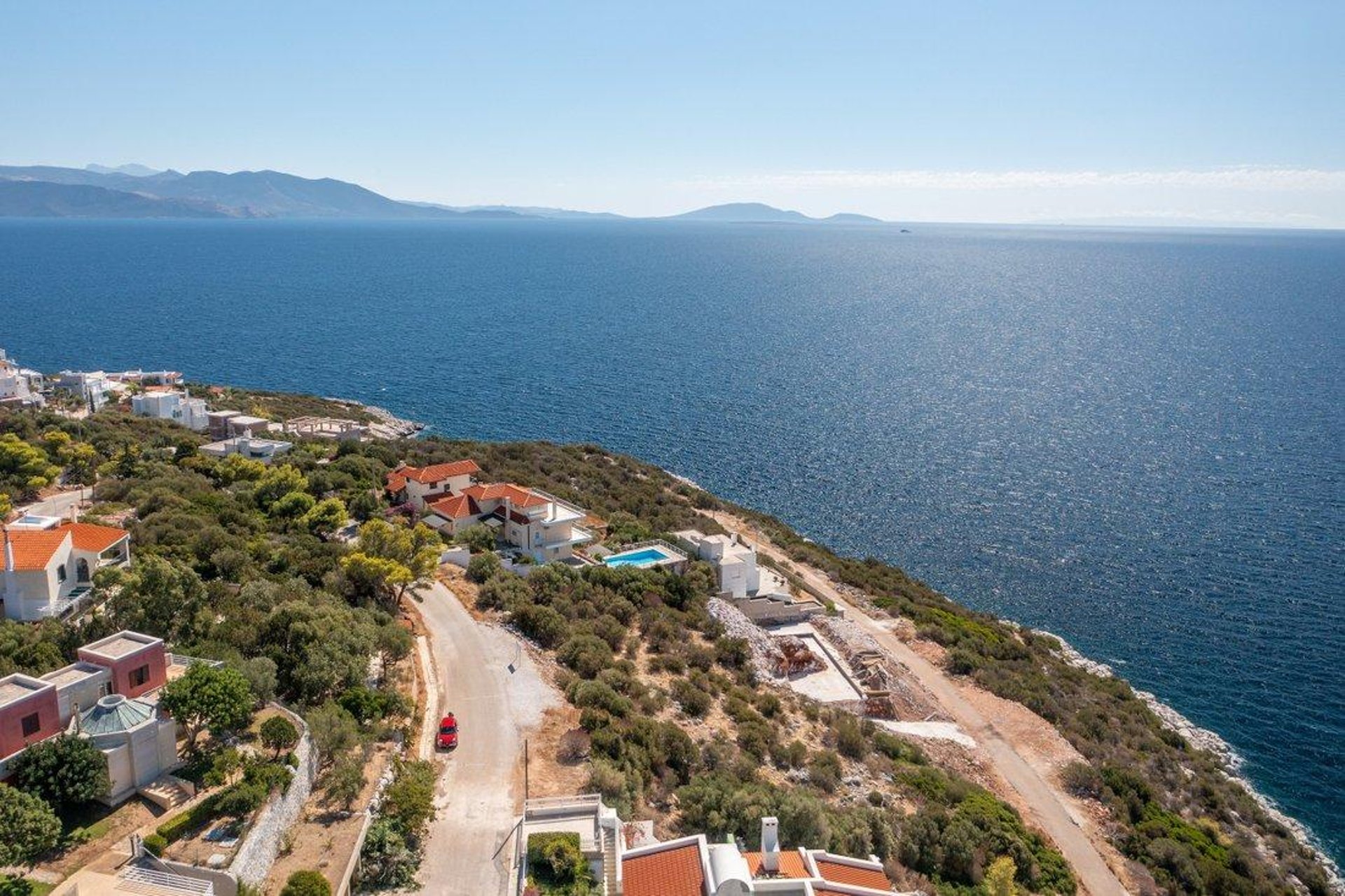
Asset Class #4: Prime Coastal Land
This is where the equation changes.
Prime coastal land possesses a unique characteristic:
it cannot be manufactured.
No technological advancement can create new coastlines.
No developer can create a new island.
No market cycle can increase supply.
As explored in "Why Some Investors Are Buying Coastlines, Not Buildings", scarcity itself may become one of the most valuable assets of the coming decades.
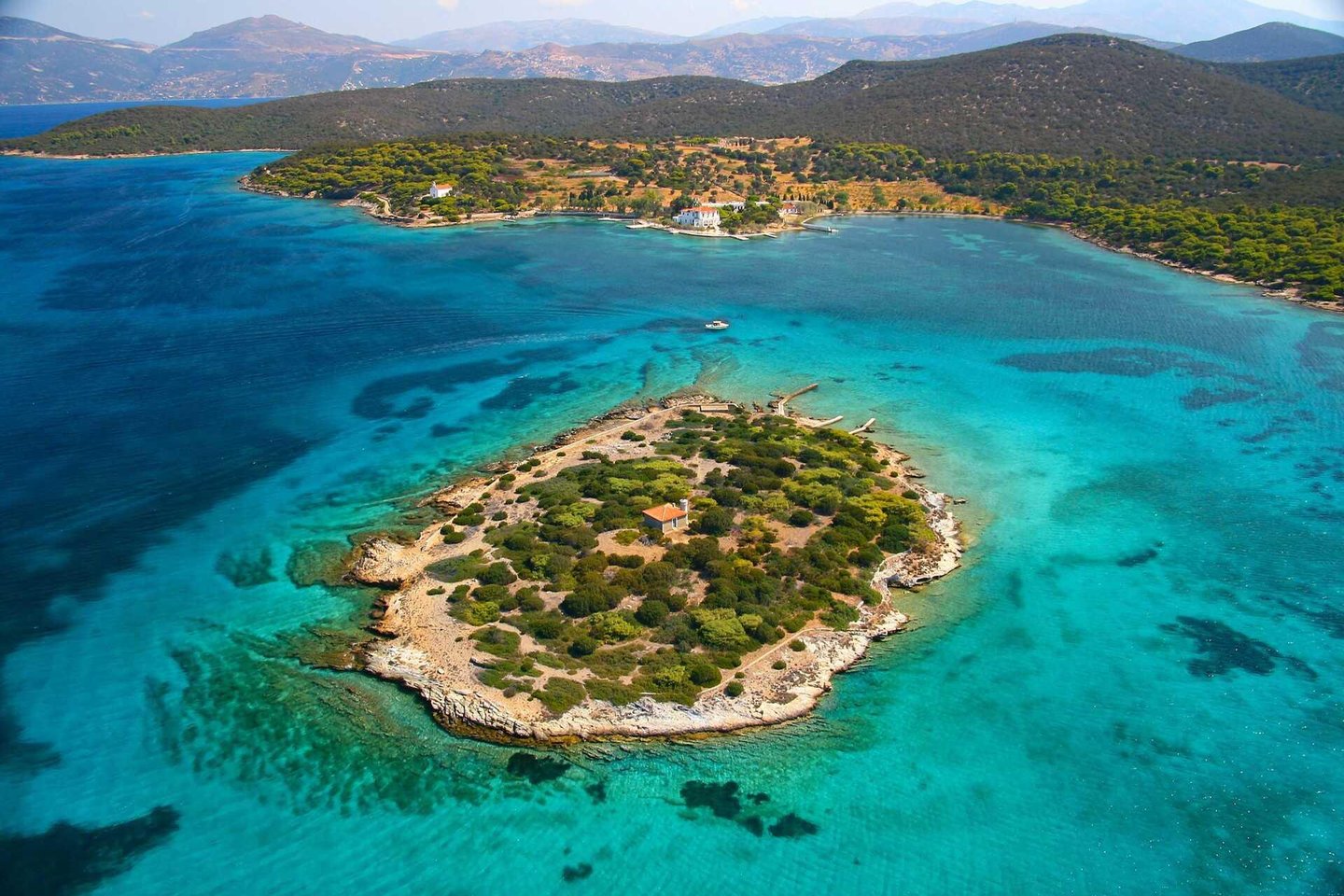
Asset Class #5: Private Islands
Private islands represent perhaps the purest form of scarcity in global real estate.
The supply is permanently limited.
Demand is global.
And ownership often extends beyond financial considerations into privacy, legacy, and exclusivity.
Few assets possess comparable characteristics.
ssess opportunities through a long-term strategic lens rather than a short-term market cycle.
The Replacement Cost Principle
One useful framework is simple:
Can this asset realistically be recreated in 2050?
If the answer is yes, competition may eventually emerge.
If the answer is no, scarcity remains intact.
This is why investors increasingly focus on:
exceptional waterfront locations
unique land positions
hospitality assets in irreplaceable settings
rare properties with enduring appeal
rather than purely financial metrics.
The Family Office Perspective
Many family offices do not think in five-year periods.
They think in generations.
Their objective is not simply to maximize returns.
It is to preserve relevance.
They seek assets that:
maintain demand
resist obsolescence
remain desirable
possess scarcity
This mindset often produces very different investment decisions.
The Real Question
The most important question may not be:
"Will this asset appreciate?"
It may be:
"Will this asset still matter?"
Because appreciation often follows relevance.
And relevance often follows scarcity.
The Bottom Line
Many assets that appear attractive today may become increasingly replaceable over time.
But assets that combine:
scarcity
location
natural beauty
strategic positioning
and limited supply
may remain valuable long after current market conditions have been forgotten.
For investors willing to think beyond the next cycle, the most important question is not what works today.
It is what will still matter in 2050.
If you are evaluating real estate opportunities and want to identify assets capable of maintaining relevance, scarcity, and long-term value for decades to come, our team at Poli can help you .
Brokerage
Contact
info@poli.gr
+30-6972-666688
+30-6972-885885
© 2025 Poli Real Estate. All rights reserved.