The New Real Estate Map of Greece: Where Major Capital Is Moving in 2026
Greece is increasingly attracting the attention of international investors, developers, family offices, and institutional capital. Rising tourism, infrastructure upgrades, Golden Visa demand, foreign business activity, and the gradual transformation of Athens are reshaping the country’s investment landscape. As a result, Greece is evolving beyond a traditional tourism destination into a broader real estate and strategic investment story. But capital is not moving everywhere equally. The new Greek real estate market is becoming increasingly selective, with different types of investors targeting entirely different sectors — from hospitality and redevelopment to logistics, residential development, and commercial real estate.
REAL ESTATE INVESTMENT
Christos Boubalos
5/23/2026
Greece Does Not Offer Infinite Scale — It Offers Strategic Positioning
Compared to larger international markets, Greece operates differently.
It does not offer:
endless metropolitan expansion
massive institutional inventory
unlimited land supply
However, Greece still offers something increasingly rare in mature markets:
the ability for strategic capital to secure long-term positions in locations and sectors that may remain fundamentally valuable for decades.
The opportunity is not necessarily about scale.
It is about positioning.
1. Commercial Buildings for Golden Visa Strategies
One of the strongest trends in recent years has been the acquisition and redevelopment of commercial buildings intended for residential conversion linked to the Golden Visa market.
Older office buildings, mixed-use assets, and centrally located commercial properties are increasingly being repositioned into residential apartments targeting international buyers.
This trend has accelerated the transformation of several parts of Athens, particularly in areas where pricing still remains significantly lower than in other Mediterranean capitals.
As analyzed in:
the opportunity increasingly comes not from buying retail apartments — but from restructuring assets before value is fully priced in.
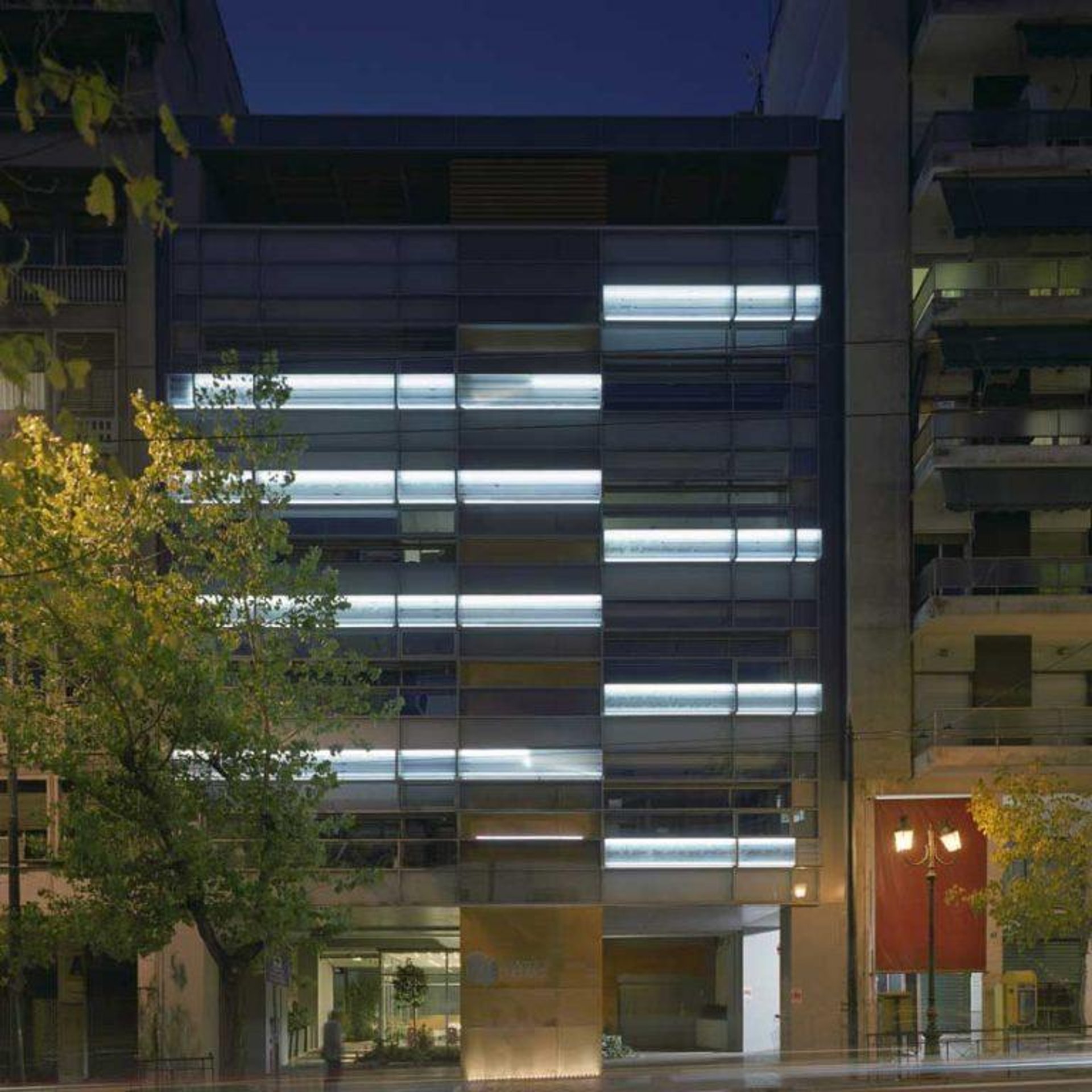
2. Commercial Buildings Leased to Companies
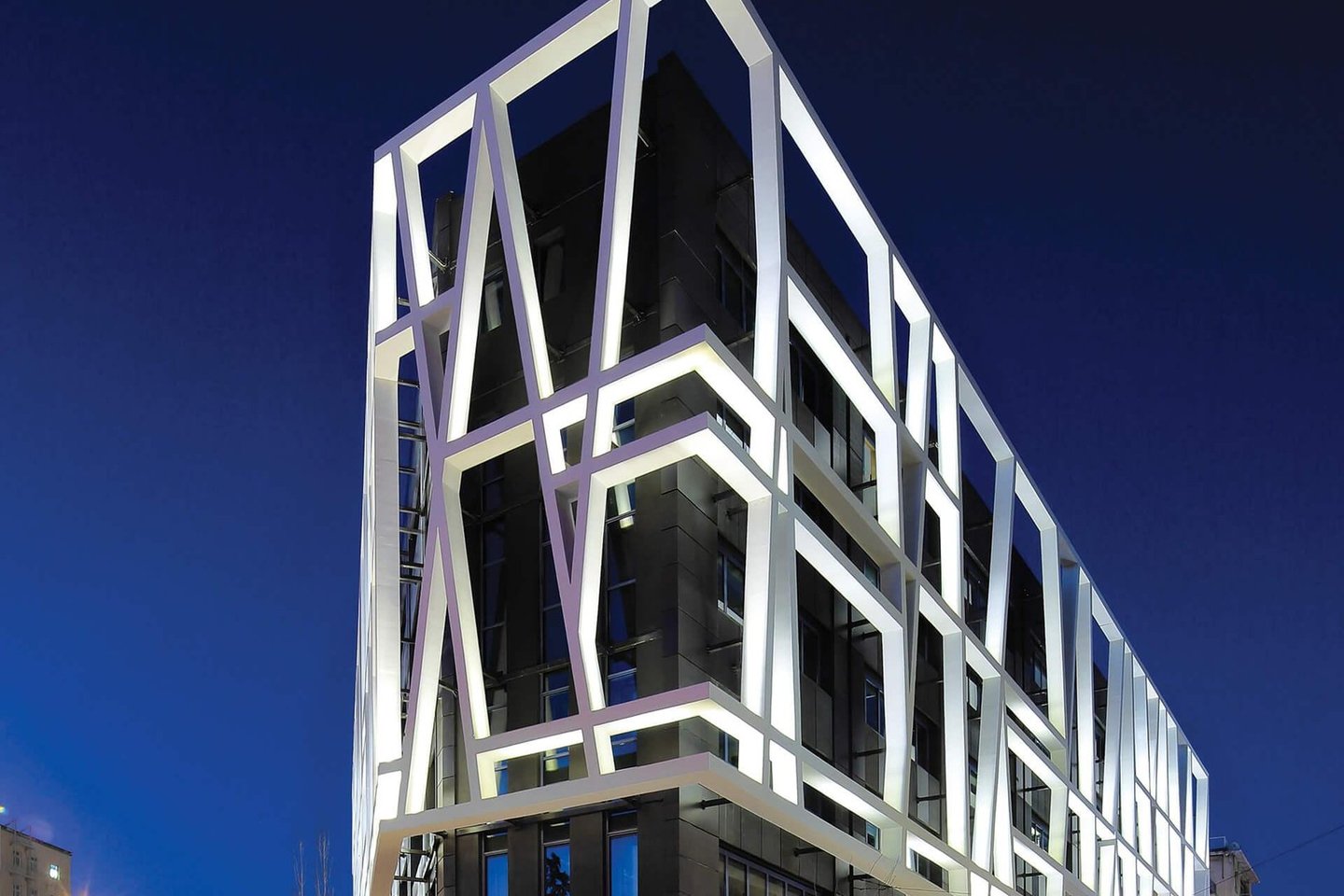
Another category increasingly attracting capital is modern commercial space leased to companies and multinational firms.
As international businesses gradually expand operations in Greece, demand is increasing for:
modern office environments
energy-efficient buildings
upgraded business infrastructure
This is especially relevant in selected business districts of Athens, where older office inventory often fails to satisfy current corporate requirements.
For several investors, stable long-term leasing to companies represents a more predictable strategy compared to short-term residential or tourism-driven models.
3. Hotels and Hospitality
Tourism remains one of the strongest pillars of the Greek economy.
However, the hospitality story is evolving beyond traditional seasonal hotels.
Investors are increasingly focusing on:
boutique hospitality
branded residences
serviced apartments
lifestyle-oriented destinations
upgraded luxury experiences
At the same time, infrastructure expansion and growing international visibility are gradually extending both the tourism season and the depth of demand across multiple regions of the country.
As discussed in “Hotel Acquisitions in Greece: Why It’s the Smartest Investment of the Next Decade”, hospitality is increasingly becoming not only a tourism story — but also a long-term real estate positioning strategy.
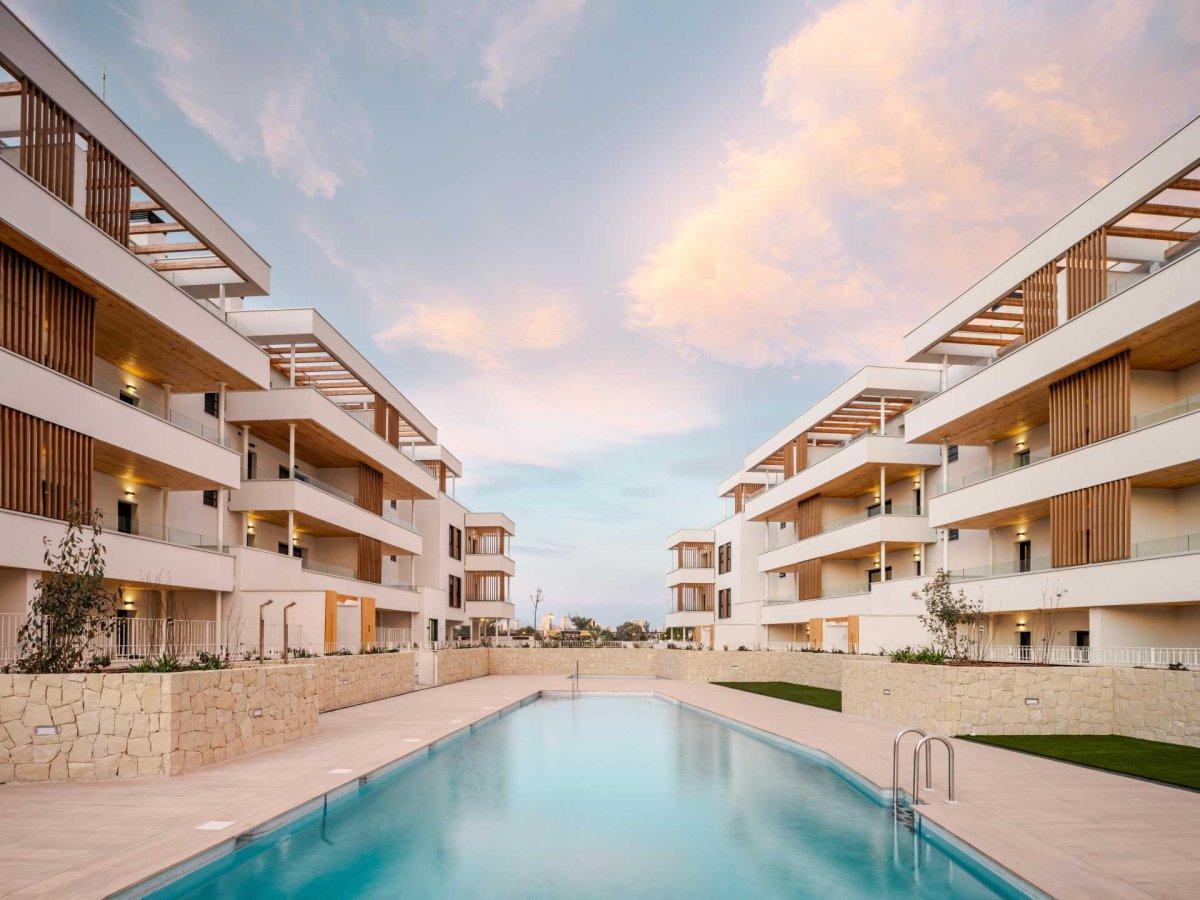
4. Residential Development and Land
Residential development remains one of the core pillars of the Greek real estate market.
Urban regeneration, infrastructure expansion, tourism growth, foreign demand, and the continued evolution of the Athens Riviera are all contributing to rising interest in residential land and redevelopment opportunities.
In many cases, investors are no longer simply purchasing existing apartments.
They are increasingly seeking:
redevelopment opportunities
land positions
mixed-use projects
long-term residential plays
strategic urban locations
This is particularly visible in areas benefiting from:
transportation upgrades
infrastructure expansion
changing lifestyle demand
and urban transformation
Related analysis:
The Market Is Becoming More Competitive
The rapid rise of interest around Greek real estate has also created a secondary dynamic within the market.
Many smaller investors and early-positioned buyers have already secured:
buildings
land positions
redevelopment opportunities
and strategic assets
during earlier phases of the cycle.
Today, a growing number of these owners are attempting to sell those assets at significantly higher prices to larger investors and institutional capital — often trying to capture part of the future upside of the investment before the next buyer even enters the project.
As a result, disciplined acquisitions and careful underwriting are becoming increasingly important.
Not every asset marketed as an “opportunity” necessarily justifies its pricing.
As discussed in:
“If Everyone Agrees It’s a Good Investment — It Probably Isn’t”
“Why “Safe” Properties Usually Deliver the Lowest Future Returns”
the difference between a strong long-term investment and an underperforming one may ultimately come down to acquisition discipline, asset selection, and entry pricing.
The Importance of Local Market Knowledge
As the Greek market becomes increasingly sophisticated, local market understanding may become one of the most valuable advantages for serious investors.
In many cases, identifying the right asset is no longer simply about finding availability.
It is about understanding:
infrastructure direction
neighborhood transformation
future liquidity
urban quality
redevelopment potential
and long-term positioning dynamics
This is where experienced local operators, developers, advisors, and firms with deep market exposure increasingly play an important role.
In many cases, the value is not only in identifying opportunities —
but also in recognizing when pricing no longer makes strategic sense.
Many assets currently being marketed in Greece already include a significant portion of the expected future upside in their asking price.
In other words, some sellers are attempting to monetize tomorrow’s appreciation today.
This is where disciplined local advisory becomes critical.
At Poli, an important part of our role is not simply helping investors acquire assets —
but also helping them avoid acquisitions where pricing no longer leaves sufficient long-term margin, liquidity, or strategic upside.
In several cases, protecting capital by slowing down a transaction or negotiating more aggressively may ultimately prove just as valuable as identifying the opportunity itself.
The Bottom Line
The next phase of Greek real estate may belong less to speculative buying —
and more to investors capable of understanding where:
infrastructure
demographics
tourism
business activity
and long-term capital flows
converge.
Greece may not offer the largest market in Europe.
But for disciplined investors capable of identifying strategic positioning opportunities early, it may still offer something increasingly difficult to find in larger mature markets:
the ability to secure high-quality long-term positions before they become fully institutionalized.
If you are exploring investment opportunities in Greece and want a more strategic understanding of which sectors, locations, and asset types may offer the strongest long-term positioning, our team at Poli can help you navigate the market with local insight and real on-the-ground analysis.
Brokerage
Contact
info@poli.gr
+30-6972-666688
+30-6972-885885
© 2025 Poli Real Estate. All rights reserved.